


MOOG
MOOG develops motion-control components and subsystems for aerospace, defence, space, industrial, and medical applications. Its portfolio covers electrical, hydraulic, and rotary-interface requirements through servomotors, servo-proportional valves, actuators, and slip rings. TARGET A.Ş. is the local technical point of contact in Türkiye for selecting the product family that matches load, motion profile, control interface, power, and environmental requirements.
Supports controlled linear motion through actuators that integrate a motor with a screw or another mechanical transmission element.
Servo and servo-proportional valves support closed-loop control of flow, pressure, force, and motion axes.
Slip-ring families maintain power, control-signal, and data transfer between stationary and rotating structures.
Three core product families for the motion-control chain.
Motor, valve, and slip-ring selection is based on mechanical load, motion profile, control bandwidth, electrical interface, rotation, and operating environment.
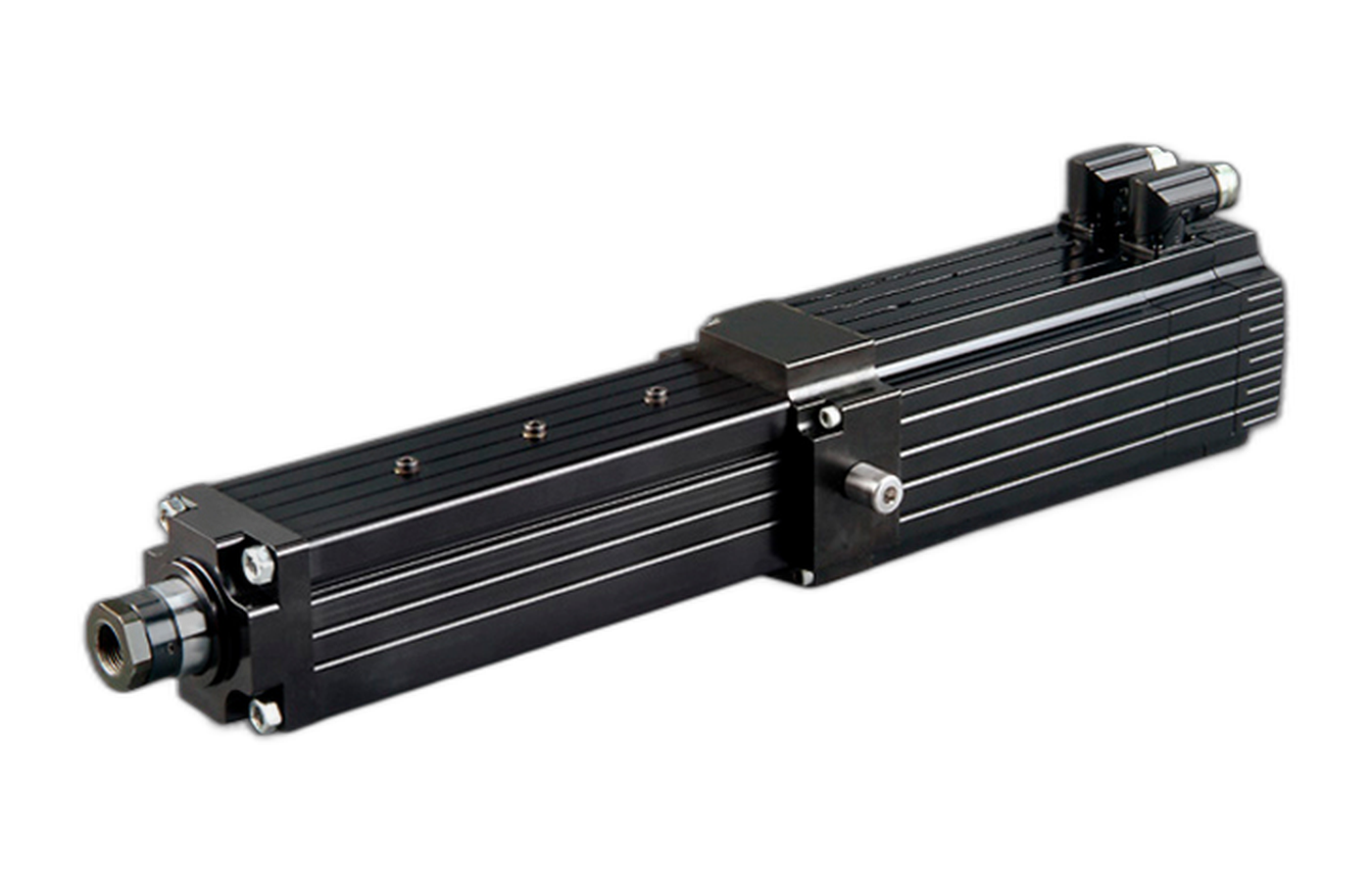
Electromechanical actuators
Linear-actuator families combine an electric motor and mechanical transmission in one motion axis and are configured for different load, speed, and stroke requirements.
- Integrated mechanical structure for linear motion
- Selection by load, speed, and stroke
- Industrial, aerospace, and defence applications
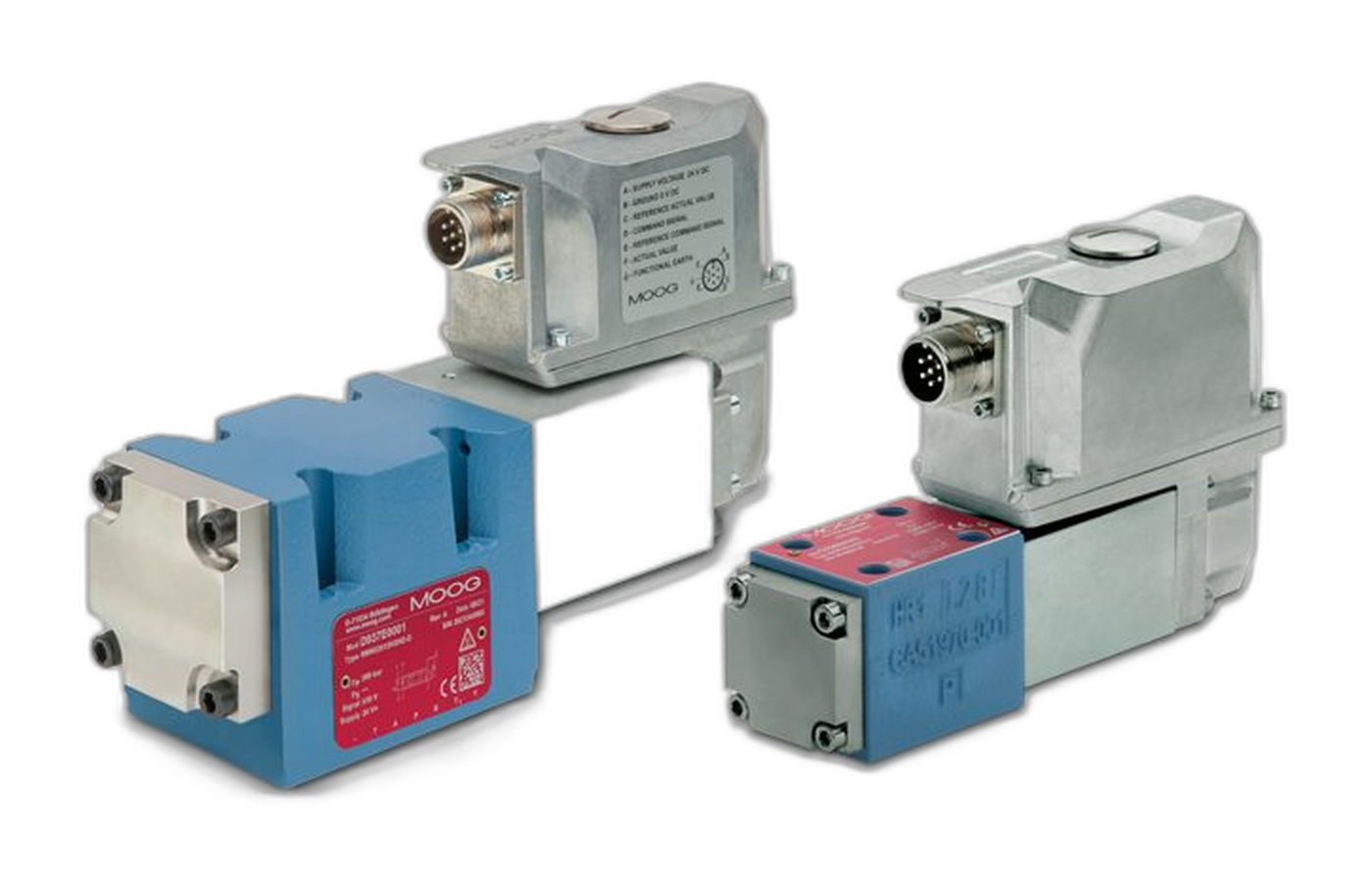
Servo-proportional valves
The D936 and D937 series provide direct-operated hydraulic flow control with a proportional solenoid, integrated electronics, and an analogue interface.
- ISO 4401 sizes 03 and 05
- Closed-loop spool-position control
- 4/4-way design with failsafe spool position
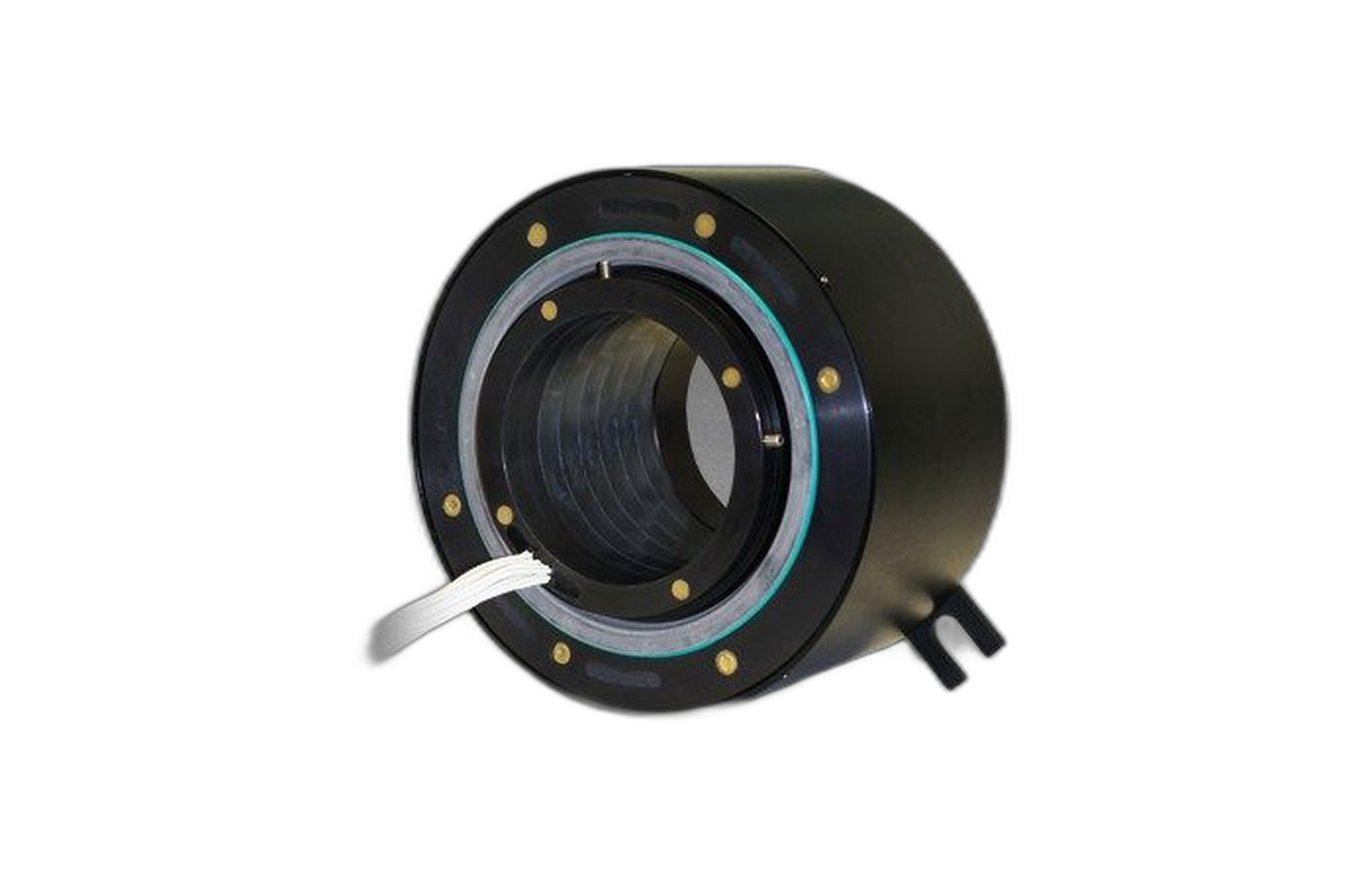
Through-bore slip rings
The AC6098 family transfers power, control signals, and data between rotating and stationary structures while leaving a central path for mechanical, hydraulic, or pneumatic routing.
- 4-inch through-bore
- Power and signal circuits in one assembly
- Ethernet and multiple circuit-count options
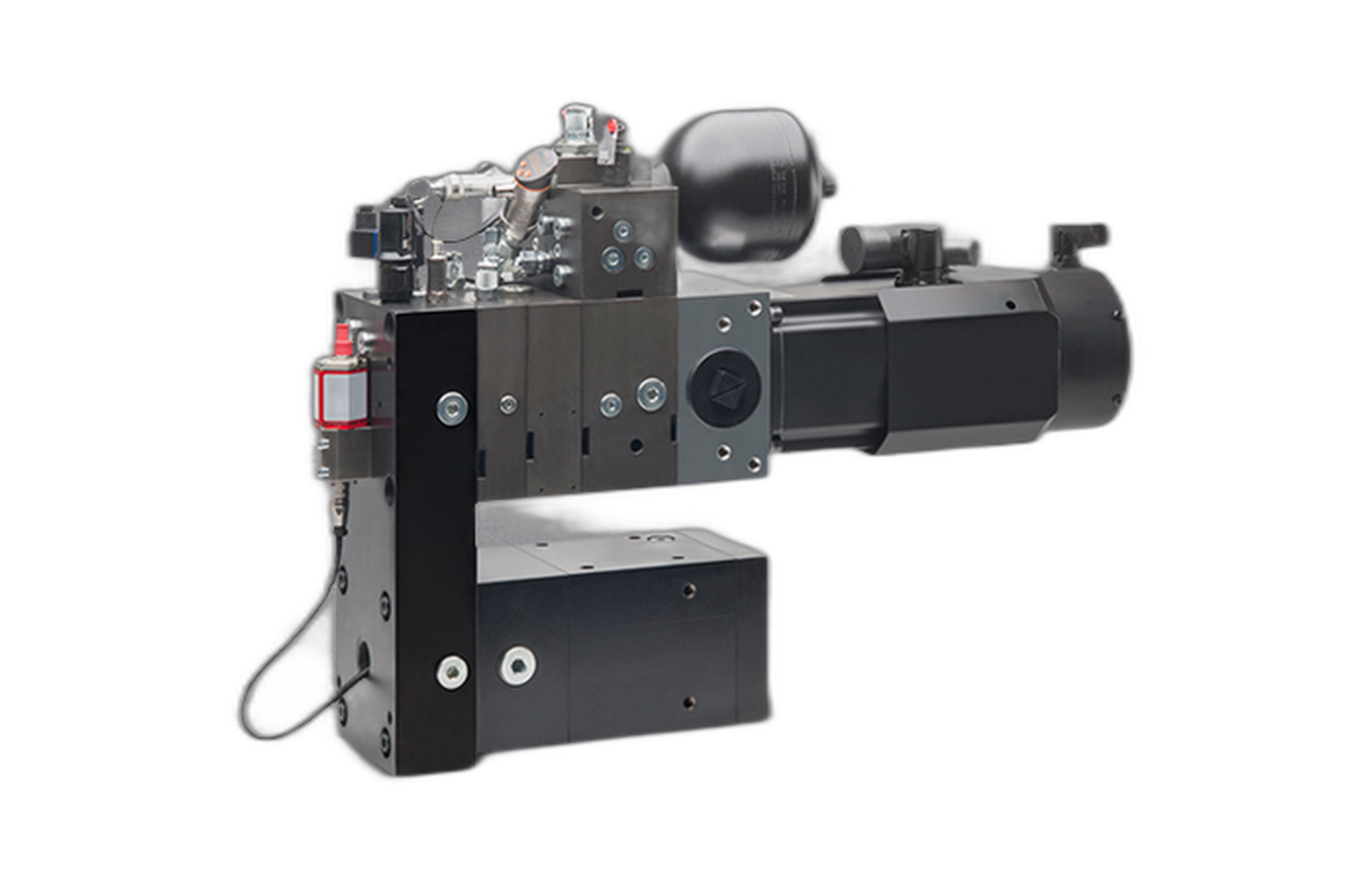
Solution architecture
From command to controlled motion.
The motion-solution selection path considers the load and motion profile, energy conversion, feedback control, and rotary-interface requirements within one architecture.
01 / DEFINE
Load and motion profile
Force or torque, speed, position, stroke, duty cycle, and dynamic-response targets are defined.
02 / CONVERT
Energy and actuation technology
Electrical or hydraulic actuation is matched to power density, precision, installation space, and operating environment.
03 / CONTROL
Drive, valve, and feedback
The motor or valve is sized with sensors, drive, and controller for closed-loop stability and response objectives.
04 / TRANSFER
Rotary interface and validation
Where continuous or limited rotation is present, power and data pass through the slip ring; interfaces, environmental conditions, and system response are validated.
Why MOOG?
Combining electrical motion, hydraulic flow control, and rotary power-data transfer in one portfolio supports component selection against the complete motion-control chain.
Actuation-technology options
Electrical and hydraulic product families can be compared against load, dynamic response, power density, and installation constraints.
Closed-loop control components
Motor, valve, drive, and feedback options can be considered together for position, speed, torque, force, or flow control.
Continuity across rotary interfaces
Slip-ring solutions maintain power and data connections while preserving mechanical rotation on moving axes.
MOOG servomotor, servo-valve, and slip-ring solutions
MOOG product families cover electrical, hydraulic, and rotary-interface layers in motion-control applications that require servomotors, servo-proportional valves, actuators, and slip rings.
The load and motion profile, electrical or hydraulic supply, control method, feedback, interfaces, installation space, rotation, and environmental conditions should be assessed together when selecting the appropriate product.
Motion-control system support in Türkiye
TARGET A.Ş. provides local engineering support for technical comparison of MOOG motor, valve, and slip-ring families, narrowing the product family, assessing interfaces, and defining the system architecture.
Sharing axis count, load, speed, torque or force, duty cycle, control interface, power supply, rotation requirements, and environmental conditions in the initial technical request accelerates product-family selection.



