


MOOG Protokraft
MOOG Protokraft develops optical transceivers, Ethernet media converters, Ethernet switches, video converters, and interface adapters for high-speed communications in military, avionics, and harsh industrial environments. TARGET A.Ş. is the local technical point of contact in Türkiye for selecting the product family that matches protocol, port, fibre type, link distance, and environmental requirements.
Converts electrical Ethernet, video, and high-speed serial data into optical links for harsh environments.
Uses fibre to address the distance, weight, volume, or electromagnetic-environment limits of copper connectivity.
Provides Viking Ethernet-switch options that combine copper and fibre ports in field-grade enclosures and connectors.
Three optical building blocks from connector to network.
The product family is selected according to protocol, data rate, port count, fibre type, wavelength, connector, and environmental conditions.
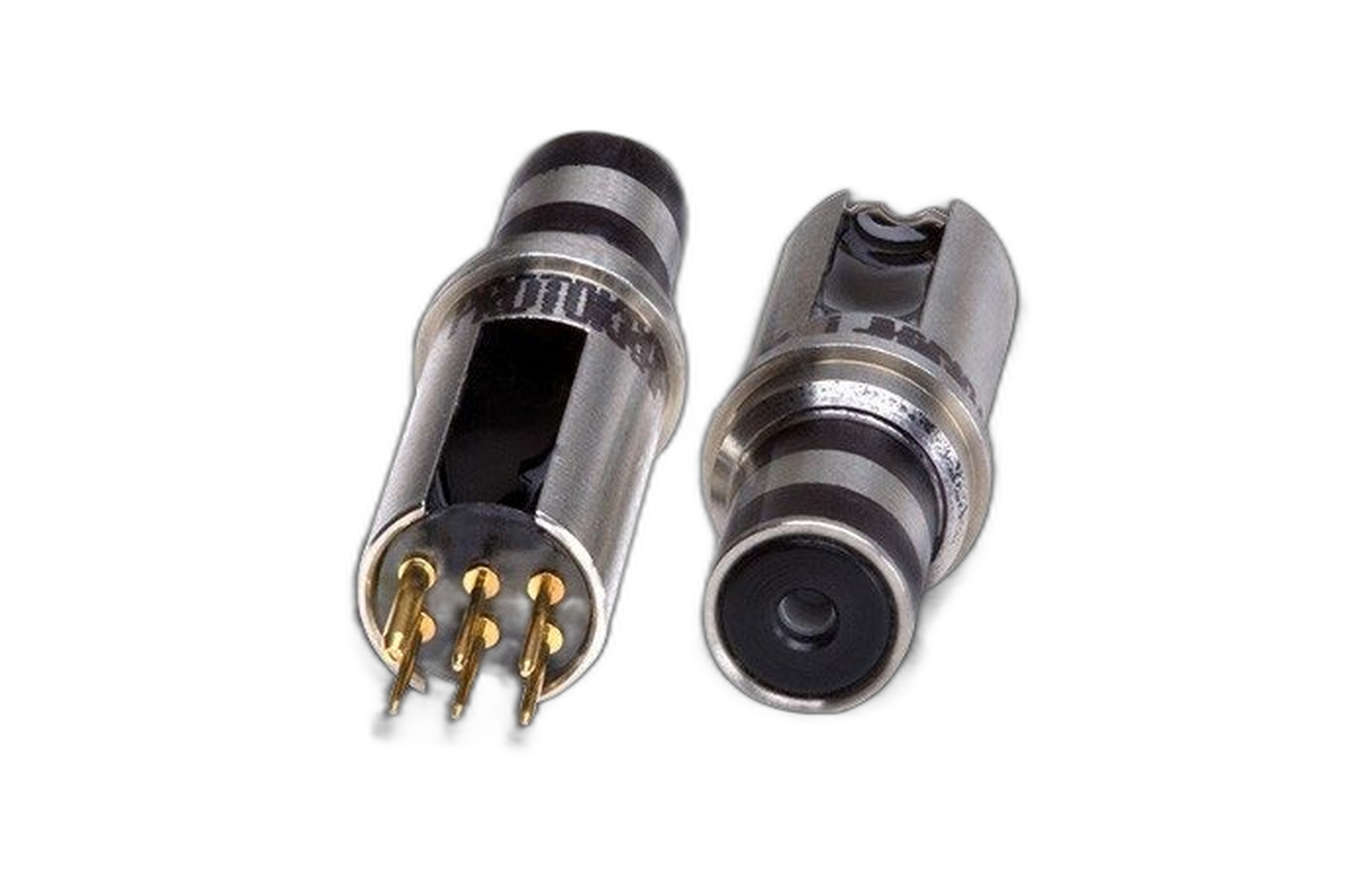
Optical transceivers
Product families that integrate optoelectronic transmit and receive functions into board, LC, or MIL-DTL-38999-class connection formats.
- Board- and connector-integrated options
- Ethernet, Fibre Channel, and ARINC protocol families
- Single-mode and multimode fibre variants
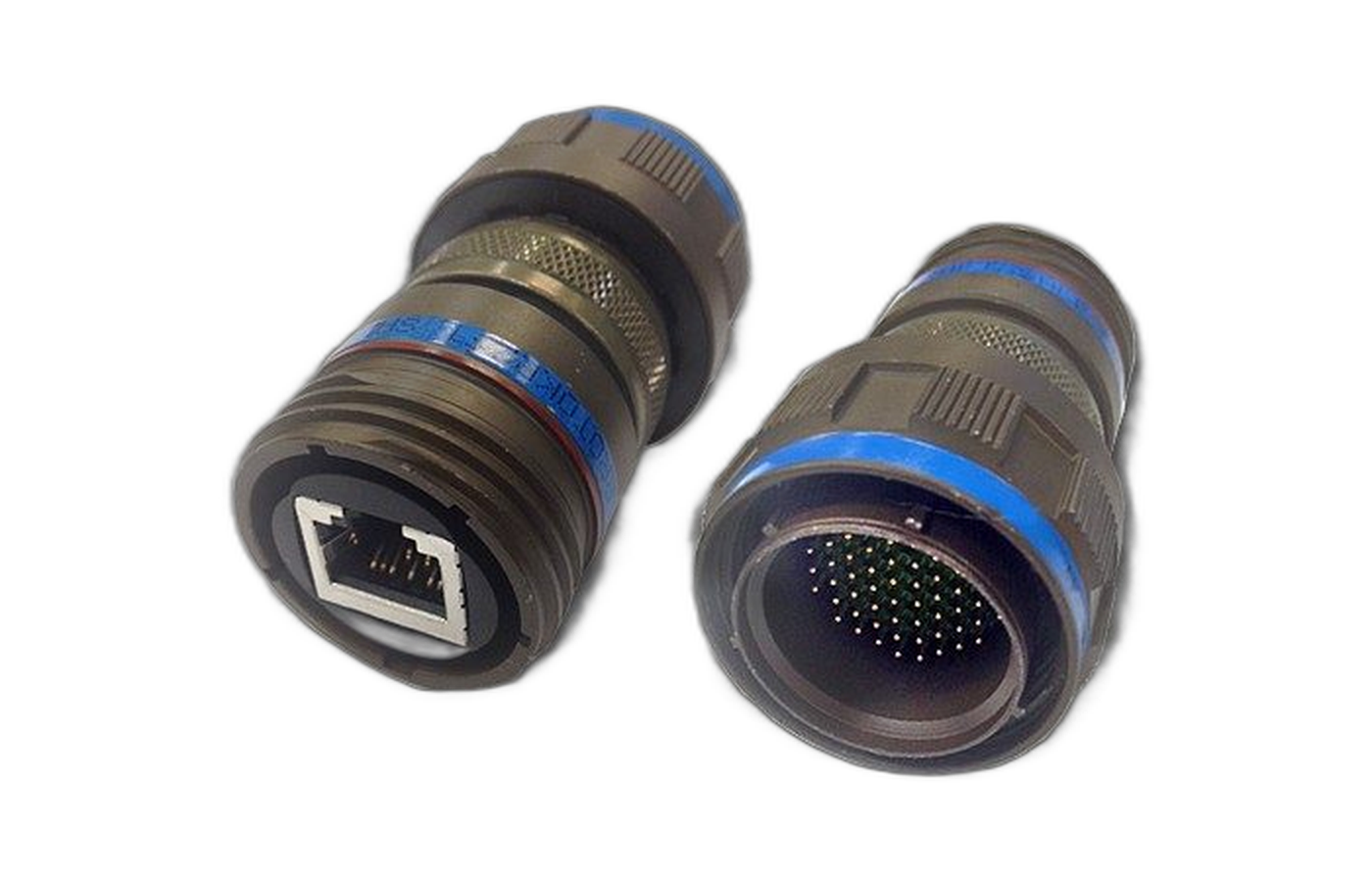
Fibre interface adapters
Adapter families that move high-speed electrical interfaces to optical-fibre links in a field-grade connection format.
- Connector-based optoelectronic conversion
- High-speed serial-data interface options
- Mechanical formats for platform cabling
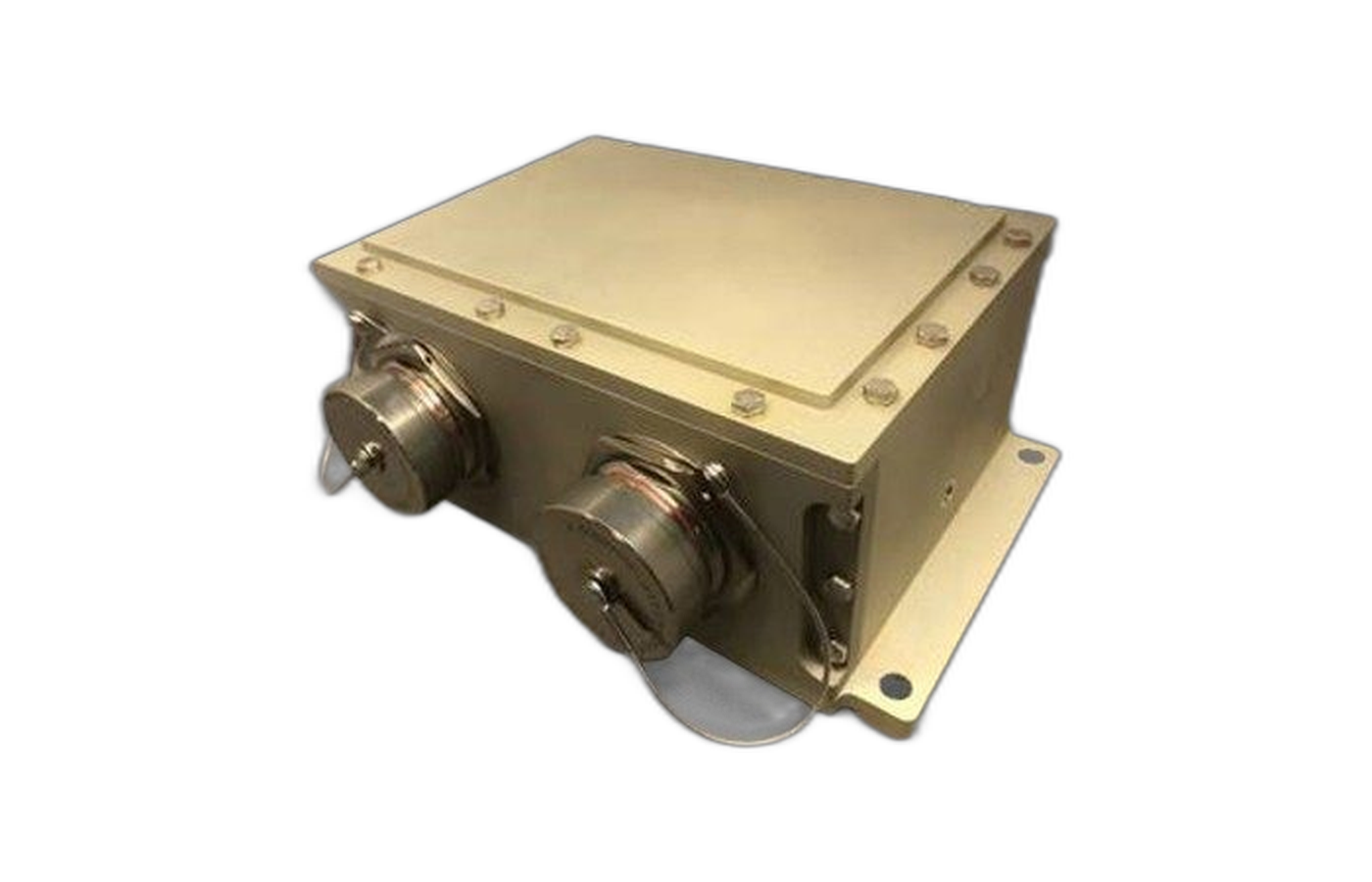
Viking Ethernet switches
An Ethernet-switch family that combines copper and fibre ports in harsh-environment enclosures with multiple port-count configurations.
- Fast, Gigabit, and 10 Gigabit Ethernet support
- Copper, fibre, and mixed-port options
- Managed and unmanaged families
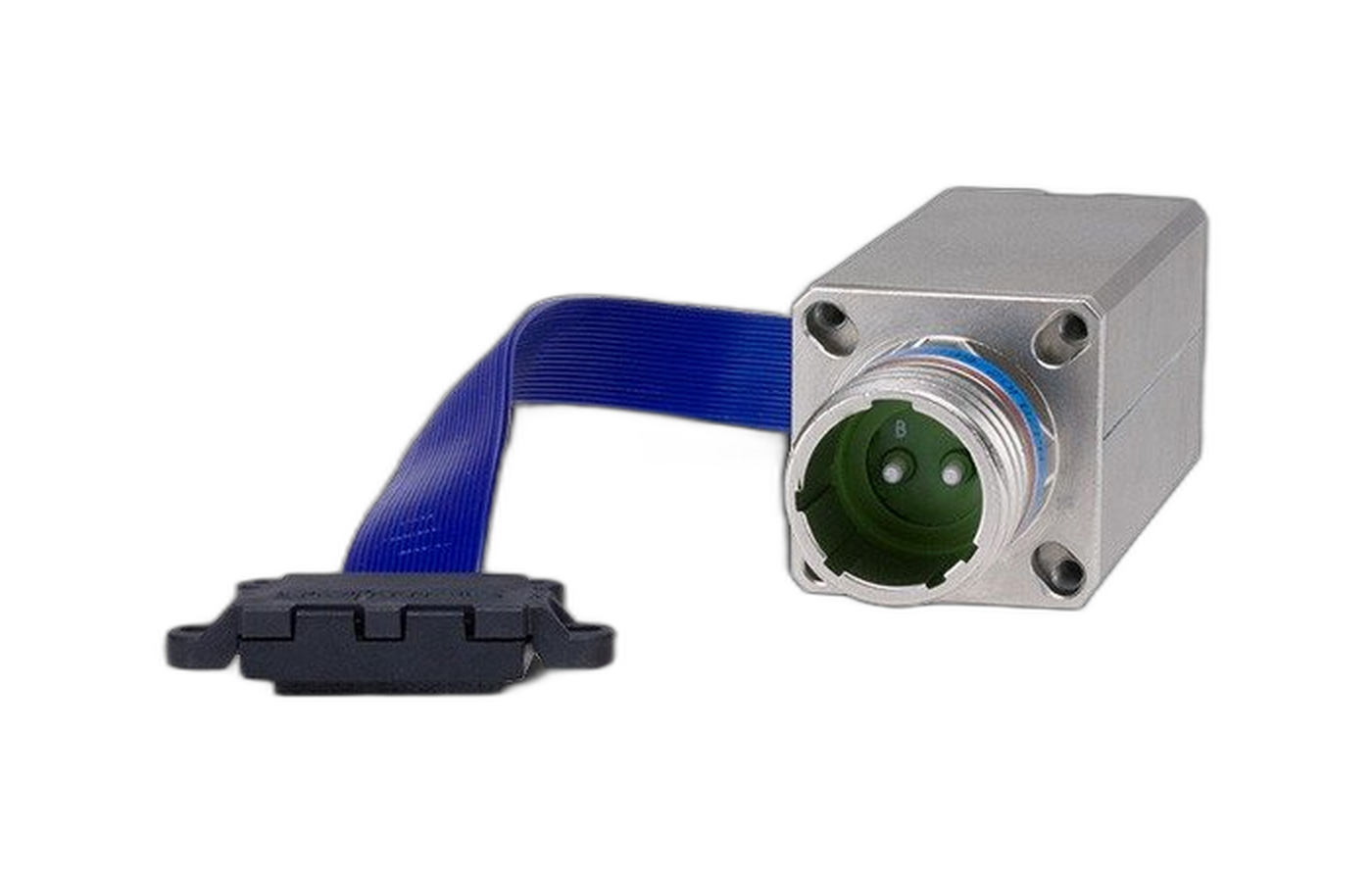
Solution architecture
From electrical data to a rugged fibre network.
An optical communications link is more than a converter choice: protocol, link budget, fibre, connector, and network topology must be validated within one engineering flow.
01 / INPUT
Protocol and electrical interface
The data rate and electrical interface are defined for Ethernet, Fibre Channel, ARINC 818, video, or another high-speed serial link.
02 / CONVERSION
Optoelectronic transceiver
Transmit and receive functions are matched to a board, pluggable module, adapter, or connector-integrated product family.
03 / LINK
Fibre and connector
Single-mode or multimode fibre, wavelength, link distance, and field-grade connection interface are selected.
04 / DISTRIBUTION
Switching and system validation
Port count, copper-fibre distribution, power, and environmental conditions are used to validate the media converter or Ethernet switch.
Why MOOG Protokraft?
Providing optical conversion at integration levels from board and connector to network switch allows the physical and network layers of a harsh-environment data link to be assessed together.
Active optics within the connector
Selected transceiver families integrate optoelectronic functions directly into the platform connection format and can reduce the need for a separate enclosure.
Protocol and form-factor range
Board, module, adapter, and field-grade enclosure options are available for Ethernet, Fibre Channel, ARINC, and video applications.
From point link to network distribution
Transceiver, media-converter, and Ethernet-switch families support architectures from a point-to-point link to a distributed platform network.
Military fibre-optic and rugged Ethernet solutions
MOOG Protokraft optical transceivers, Ethernet media converters, Viking Ethernet switches, video converters, and interface adapters support high-speed data transport over fibre on airborne, land, and maritime platforms.
Correct selection requires joint assessment of protocol, data rate, channel and port count, single-mode or multimode fibre, wavelength, link distance, connector, power supply, and environmental conditions.
Fibre data-link integration support in Türkiye
TARGET A.Ş. provides local engineering support for matching electrical interfaces to optical links, selecting MOOG Protokraft product families and port structures, reviewing technical documentation, and defining the platform connection architecture.
Sharing protocol, data rate, topology, link distance, fibre and connector type, port count, installation space, and environmental conditions in the initial technical request enables the product family to be narrowed correctly.



