


NIT (New Imaging Technologies)
New Imaging Technologies (NIT), develops InGaAs-based short-wave infrared (SWIR) sensors, cameras, and modules. Its portfolio spans Full HD area-scan cameras, high-dynamic-range imaging, and high-speed line-scan systems for defense and security, semiconductor inspection, laser measurement, recycling, and process control. As the SWIR business unit of the LYNRED Group, NIT covers core layers from sensor design to camera electronics and software. TARGET A.Ş. is the local point of contact in Türkiye for product selection, technical assessment, and system integration of NIT solutions.
A high-resolution InGaAs camera architecture for inspection and surveillance applications requiring fine detail and a wide field of view.
Imaging that handles low and high illumination levels in the same scene through linear and logarithmic response modes.
SWIR line-scan solutions that sustain material and surface inspection at high line rates on moving production lines.
Three camera architectures for SWIR imaging.
SenS 1920 addresses high-resolution area imaging, WiDy SenS 640 wide dynamic range, and LiSaSWIR 2048 v2 high-speed line-scan tasks.
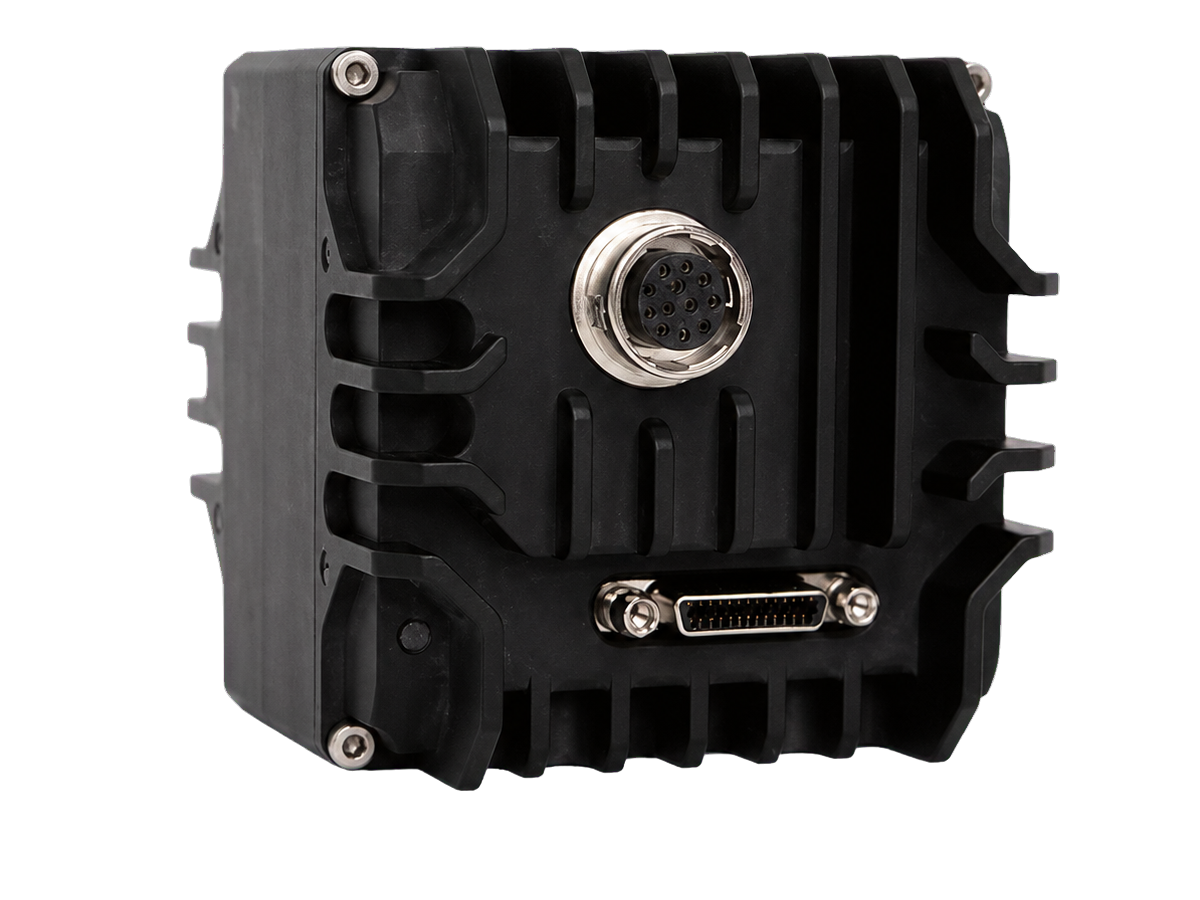
SenS 1920
SenS 1920 is a Full HD InGaAs SWIR camera combining high resolution with low read noise.
- 1920 × 1080 resolution and 8 µm pixel pitch
- 0.9–1.7 µm spectral band and typical 25e⁻ read noise
- USB 3.0 and Camera Link output options
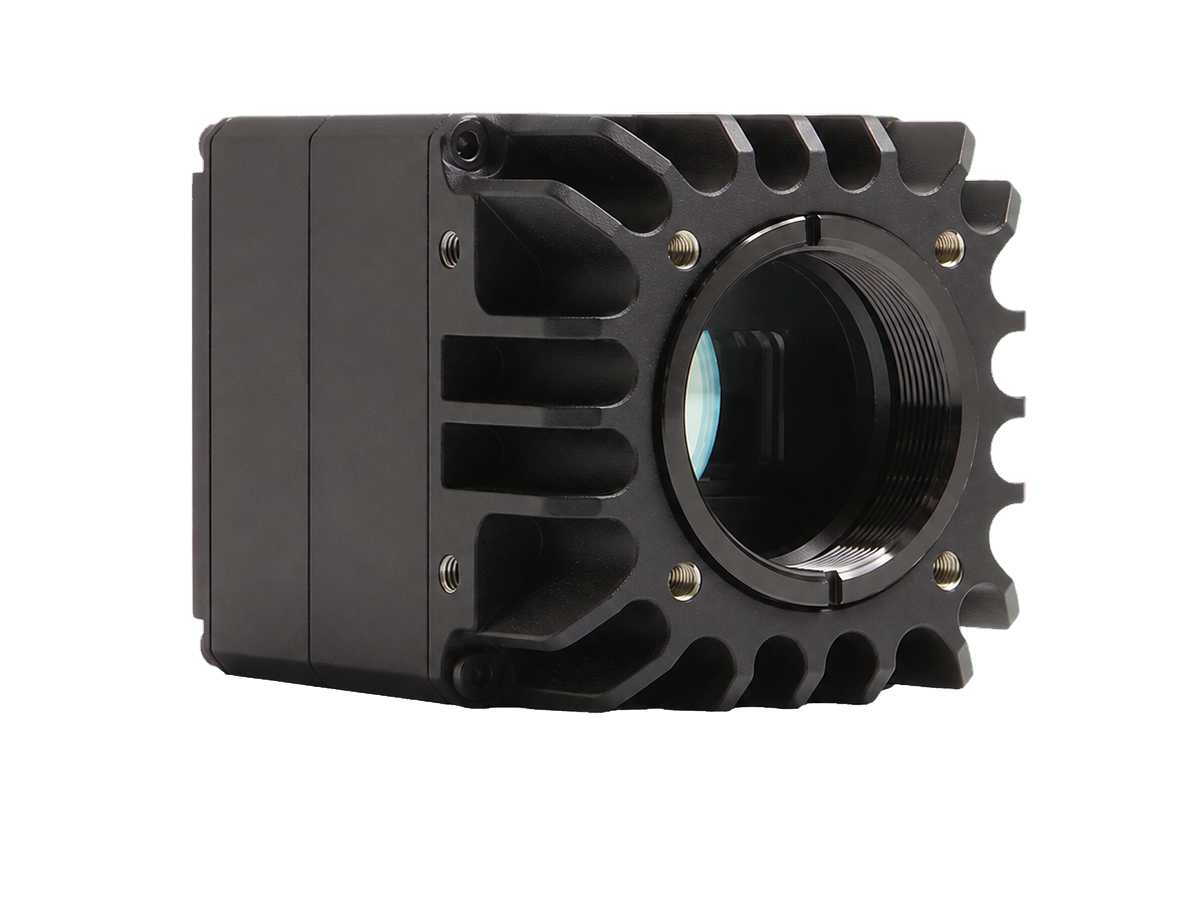
WiDy SenS 640
WiDy SenS 640 combines linear and logarithmic response modes within one InGaAs sensor architecture to manage complex illumination conditions.
- 640 × 512 resolution and 15 µm pixel pitch
- High dynamic range up to 120 dB
- Up to 230 fps at full frame and multiple interface options
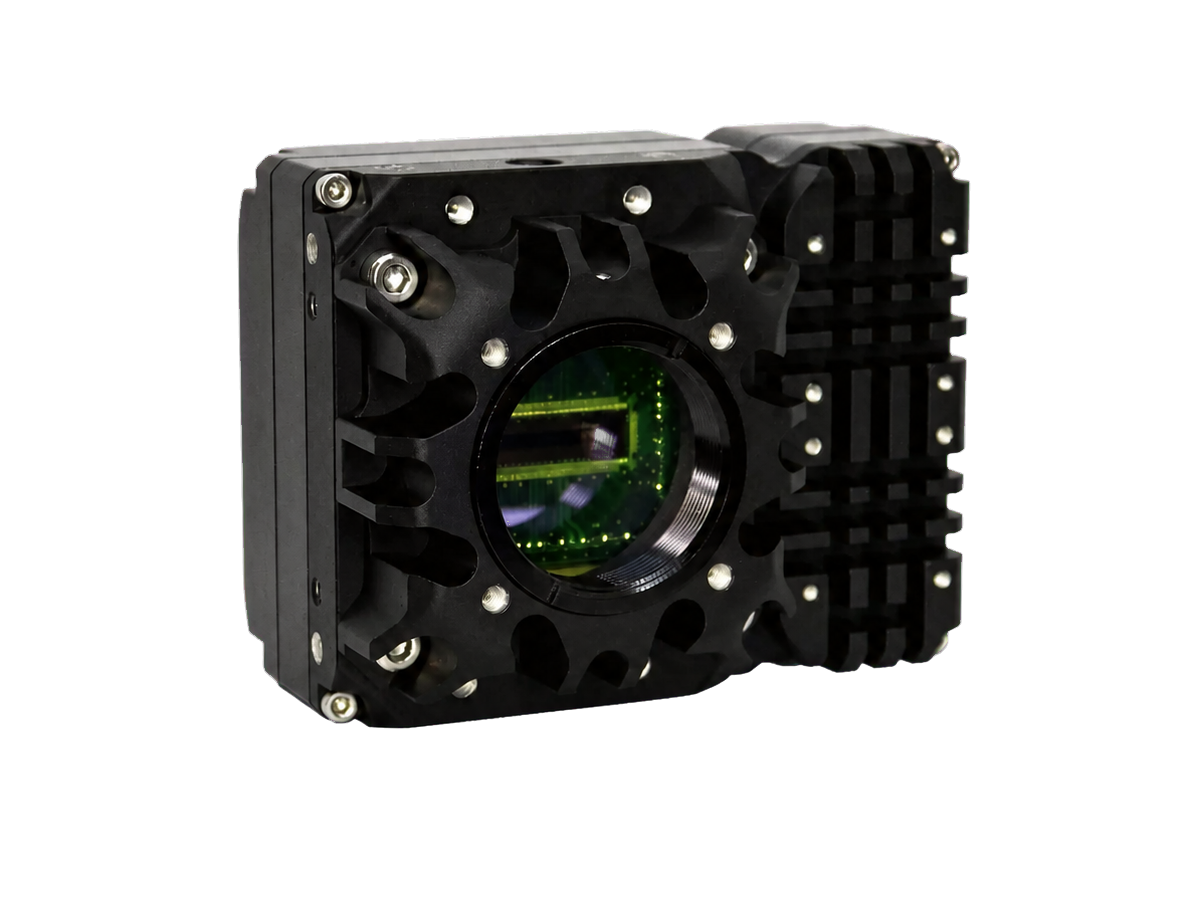
LiSaSWIR 2048 v2
LiSaSWIR 2048 v2 is designed for continuous, high-resolution SWIR inspection on moving production and sorting lines.
- 2048 × 1 resolution and 0.9–1.7 µm spectral band
- Line rate above 110 kHz at full resolution
- Camera Link, GenICam, NUC, and defective-pixel correction support
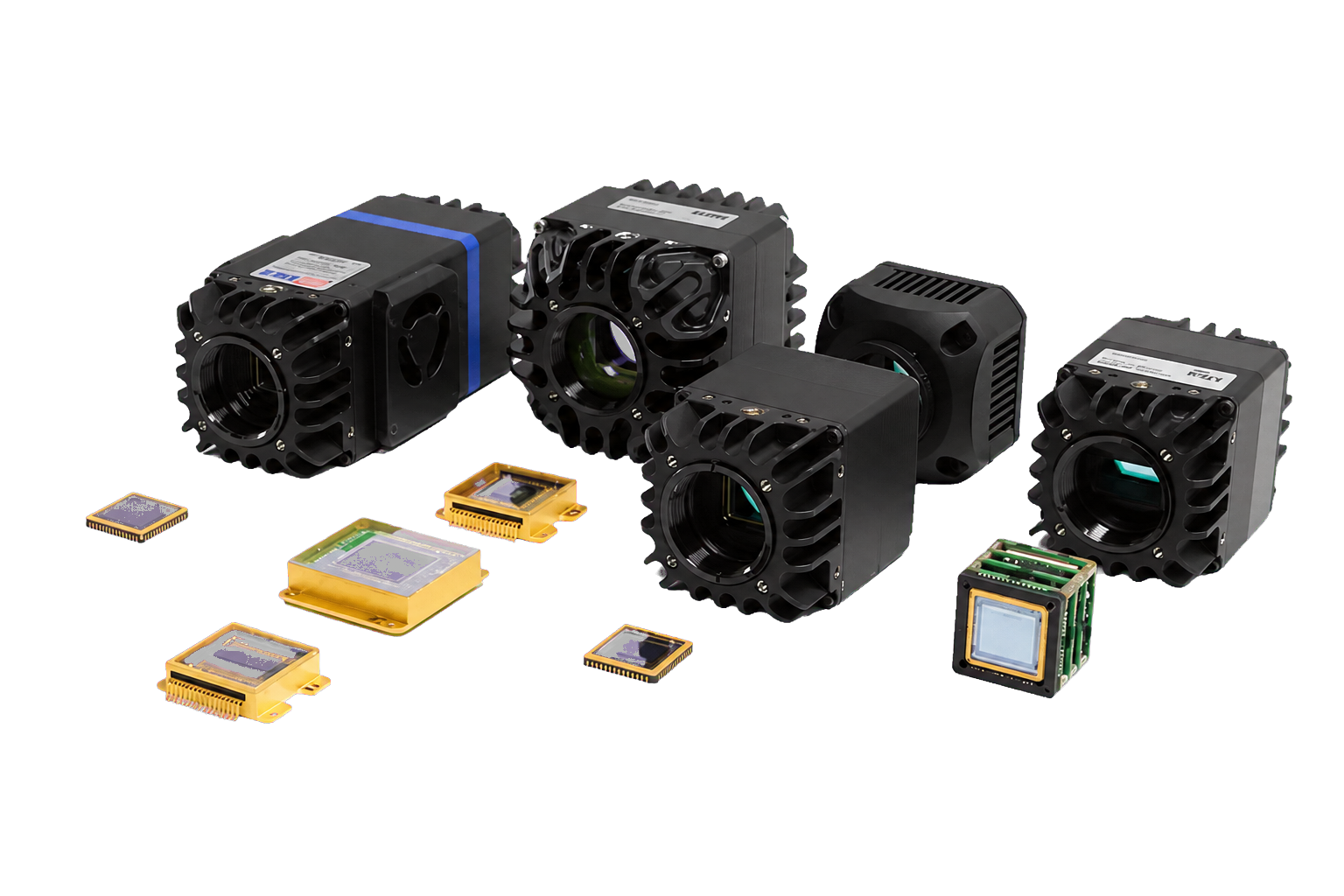
System approach
From the application to a validated image.
01 / DEFINE
Define the imaging task
Evaluate the spectral band, field of view, object speed, illumination conditions, and required level of detail together.
02 / SELECT
Select the sensor and response mode
Choose an area-scan or line-scan architecture according to resolution, pixel pitch, sensitivity, and dynamic-range requirements.
03 / INTEGRATE
Integrate the interface and software
Evaluate Camera Link, USB 3.0, GigE, and other output options together with triggering, the SDK, and the system architecture.
04 / VERIFY
Validate imaging performance
Assess NUC, defective-pixel correction, ROI, exposure, and triggering under actual operating conditions.
Why NIT?
NIT addresses the SWIR imaging chain as an integrated whole, from sensor design to camera electronics and software.
Vertically integrated SWIR expertise
InGaAs sensors, readout circuitry, hybridization, camera electronics, and software layers are developed within one technology roadmap.
Complementary camera architectures
Full HD area-scan, dual-response HDR, and high-speed line-scan options can be configured for different imaging tasks.
From R&D to field integration
Camera, interface, and software options support workflows from laboratory validation to real-system integration.
InGaAs-based SWIR imaging infrastructure
The NIT SWIR camera portfolio covers area-scan and line-scan architectures operating across the 0.9–1.7 µm spectral band. SenS 1920 supports high-resolution Full HD imaging, WiDy SenS 640 provides wide dynamic range through linear and logarithmic dual response, and LiSaSWIR 2048 v2 addresses high-speed industrial line scanning.
The appropriate solution is selected by evaluating resolution, pixel pitch, noise level, frame or line rate, mechanical design, camera interface, and software integration together.
Local engineering and integration support in Türkiye
TARGET provides local support in Türkiye for product selection, technical assessment, camera-to-optics compatibility, interface planning, and system integration of NIT SWIR cameras and InGaAs imaging solutions.



